femi d

Why Nigeria’s Security Failures Are Intertwined with 2027

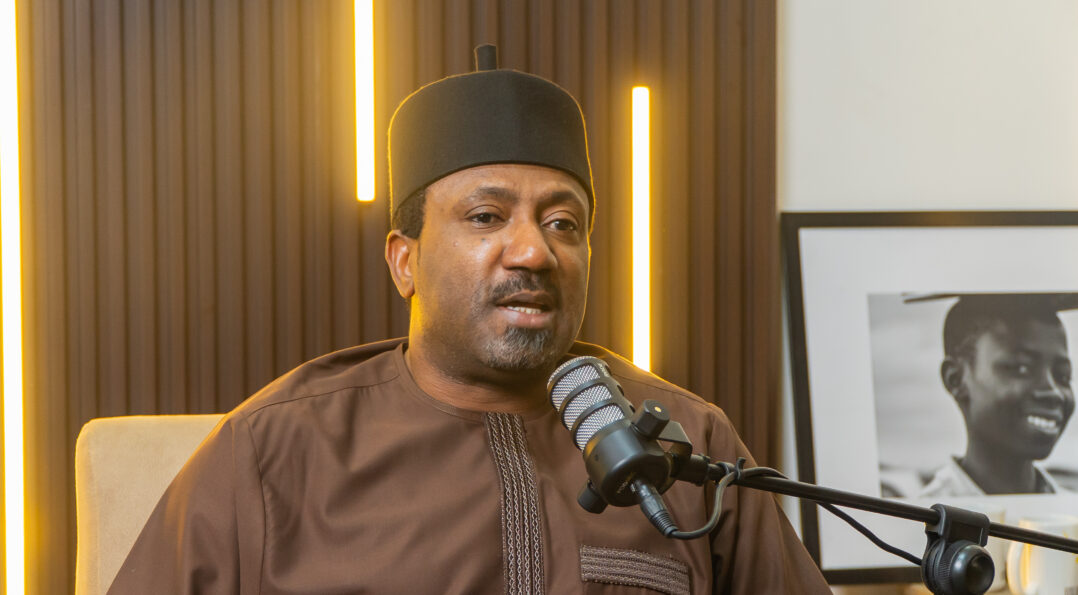
The Political Capital of Chaos: Why Nigeria’s Security Failures Are Intertwined with 2027 ABUJA, Nigeria — In the theatre of Nigerian politics, state failure is rarely just an accident of governance; often, it is a currency. As the nation grapples with a compounding crisis of mass abductions, unchecked banditry, and rural displacement, an uncomfortable consensus is emerging among state observers: the premium placed on instability may be rising as political actors eye the 2027 general elections. The mechanics of this crisis extend far beyond tactical military deficits. Instead, they expose a deeper structural rot within Nigeria’s defense and political architectures—one where the preservation of insecurity increasingly aligns with the preservation of power. The Illusion of Restorative Justice For years, the federal government’s approach to counter-terrorism has relied heavily on a contentious pillar: the “repentance” and rehabilitation programs for captured or surrendered insurgents. Touted as a non-kinetic strategy to deplete enemy ranks, the policy has instead created a dangerous moral hazard. “You cannot negotiate from a position of systemic weakness, nor can you incentivize rehabilitation while the victims of terror remain languishing in displaced persons camps,” notes James Ugochukwu, Regional General Secretary of the West African Civil Society Forum (WACSOF). Speaking on a recent episode of the political broadcast Volume with FemiDlive, Ugochukwu argued that the state’s continued indulgence in these programs amounts to a surrender of sovereign authority. When the state treats terrorism as a negotiable grievance rather than an existential breach of the social contract, it signals to criminal syndicates that violence yields diplomatic leverage. The persistence of amnesty frameworks has effectively institutionalized a revolving door, allowing actors to cycle between active insurgency and state-funded rehabilitation without ever facing transitional justice. Porous Borders and the Identity Vacuum This policy failure is further aggravated by a fundamental collapse in domestic intelligence infrastructure. While international partners frequently pledge advanced hardware and technical training to the Nigerian Armed Forces, these tools are rendered largely impotent when deployed against a landscape of “ghosts.” Modern precision warfare and counter-insurgency operations are entirely dependent on robust data states. In Nigeria, however, the intersection between tracking biometric data and the national identity infrastructure—primarily the National Identification Number (NIN)—remains profoundly broken. Security Deficit Operational Impact Strategic Consequence Flawed NIN Database Inability to map domestic networks or trace terror financing streams. Insurgents operate with functional anonymity within urban and rural fringes. Porous Regional Borders Unchecked flow of foreign mercenaries across Niger, Chad, and Cameroon borders. Localized conflicts are continuously militarized by external actors. Kinetic Over-Reliance Heavy deployment of troops without hyper-localized tactical intelligence. Military forces exhaust resources holding territory rather than neutralizing threats. Without a reliable domestic tracking apparatus, advanced military tech is merely a costly cosmetic fix. The state cannot target an adversary it cannot identify, leaving vast swathes of the country vulnerable to actors who cross international boundaries completely unrecorded. The Road to 2027: Security as an Electoral Weapon Perhaps the most cynical dimension of the current security landscape is its geographic drift. Historically concentrated within the Northeast and Northwest zones, organized violence and high-profile abductions have increasingly encroached upon the South-West and North-Central regions. This shifting geography is not random expansion; it possesses a distinct electoral calculus. In Nigeria, widespread regional insecurity serves as a highly effective tool for voter suppression and geopolitical engineering. By engineering or permitting instability in specific electoral strongholds, political networks can artificially depress voter turnout, displace unfavorable demographics, and justify hyper-militarized polling environments that lend themselves to manipulation. Furthermore, the deliberate foot-dragging on constitutional reforms—most notably the implementation of State Police—highlights a resistance to decentralizing security architecture. The centralization of police commands allows the federal executive to retain absolute control over domestic coercion mechanisms, a critical asset when managing highly contested regional transitions. Ultimately, political parties in Nigeria have historically functioned not as ideological institutions, but as transactional vehicles designed for power acquisition. When instability serves the immediate strategic interests of those negotiating for 2027, the political will required to reform the defense sector evaporates. Until the structural incentives change, security will remain less a public good and more an electoral commodity. To watch the complete broadcast analysis on how institutional inertia and regional instability shape Nigeria’s governance landscape, watch the full interview on Stop Negotiating on Security Failure, State Police | James Ugochukwu | Volume with FemiDlive. This video provides crucial context regarding the lack of political will behind defense architecture reforms and the ideological vacuum within contemporary Nigerian political parties.

Why Nigeria’s Security Failures Are Intertwined with 2027 Read More »

Volume with FemiDlive, host Femi D Amele sat down with public health physician and seasoned political advocate Dr. Laz Eze.

The 2027 Calculus: Character, Competence, and the Battle for Nigeria’s Political Soul

The road to Nigeria’s 2027 presidential election is already being paved with familiar anxieties, shifting alliances, and an overarching question: can a nation fractured by systemic insecurity and economic distress find its way back to functional governance? In a recent, deeply revealing episode of Volume with FemiDlive, host Femi D Amele sat down with public health physician and seasoned political advocate Dr. Laz Eze. What unfolded was a sharp, uncompromising look into the realities of Nigerian politics—a masterclass in analyzing the structural deficits of the current administration, the anatomy of opposition coalitions, and the enduring resonance of the “Obidient” movement. The Security Paradox: Governance as a ‘Colossal Failure’ The conversation opened where every honest assessment of contemporary Nigeria must begin: the fundamental safety of its citizens. For Dr. Laz Eze, evaluating the administration’s performance on national security yields a grim verdict. “As long as there is insecurity anywhere in this country, there’s insecurity everywhere.” This isn’t hyperbole; it is a systemic reality. The primary purpose of any sovereign government is the protection of lives and property. When children are being shuffled away from schools by armed bandits, and families are left frozen in silent trauma, the state has defaulted on its social contract. THE STATE OF THE NATION │ ┌───────────────────────┴───────────────────────┐ ▼ ▼ [ Systemic Insecurity ] [ Economic Distortion ] • Selective Law Enforcement • Altered Macroeconomic Metrics • Grassroots Trauma • Real-World Purchasing Power Loss • Deterioration of Social Contract • Production-to-Consumption Deficit The paradox lies in the execution of state power. Dr. Eze pointed out a glaring double standard that puzzles the national conscience: the swift, surgical precision with which security apparatuses track down online critics and political dissenters contrasts sharply with the apparent impunity enjoyed by armed actors who broadcast their exploits and display illicit wealth on social media. It reveals a crisis not of capability, but of political will. Beyond the Logos: Character Over Party Clothes As the political machinery gears up for 2027, the landscape is witnessing a familiar dance: veteran politicians hopping across newly minted party lines. Femi Amele aptly likened this phenomenon to changing primary school uniforms—the colors flip from green-and-yellow to yellow-and-green, but the actors remain entirely the same. In Nigeria, political parties are rarely ideological bastions; they function primarily as vehicles for political capture. Because party structures are fluid and easily compromised, Dr. Eze argues that the electorate must look past the banners and focus squarely on the individual. The five pillars of leadership that must dominate the 2027 discourse are clear: Competence: The technical ability to manage complex state systems. Character: Monolithic moral consistency when facing institutional rot. Capacity: A proven track record of converting policy blueprints into human outcomes. Credibility: Trust built on historical antecedents rather than electoral performance art. Compassion: A humanist, empathetic approach to public administration. The Audacity of Hope: Scrutinizing the Peter Obi Strategy A central pillar of the discussion focused heavily on the political strategy and enduring appeal of Peter Obi. Critics often tag Obi as a political wanderer who exits party structures whenever internal friction peaks—moving from APGA to PDP, Labor Party, and through the evolving opposition coalitions of the ADC and NDC. However, from the perspective of the Obidient movement, this movement isn’t a sign of weakness; it’s an absolute refusal to compromise on foundational values. THE CORE DILEMMA OF THE NIGERIAN OPPOSITION ┌───────────────────────────────────────┐ │ Maintain Purity of Political Values │ └───────────────────┬───────────────────┘ ▼ Is it possible to scale this inside a compromised, transactional system? │ ┌────────────────────────┴────────────────────────┐ ▼ ▼ [ The Purist Approach ] [ The Realist Approach ] • Exit compromised structures. • Build wide-tented coalitions. • Maintain distinct moral brand. • Accept structural friction. • Risk institutional isolation. • Risk ideological dilution. The challenge for any transformative leader in Nigeria is navigating an environment where structural compromise is the native language of politics. Obi’s political record in Anambra State is frequently cited as the blueprint: a leader who managed a hostile, 100% opposition House of Assembly without weaponizing state autocracy, relying instead on interpersonal diplomacy and strict adherence to developmental benchmarks. The Economic Illusion vs. The Human Metric While current macroeconomic numbers are often presented on paper as stabilizing factors, the real-world metric remains the purchasing power of the average household. Dr. Eze, leveraging his background in data and analytics, warned against the manipulation of calculation formulas that make ledger sheets look pristine while the streets starve. A budget that allocates billions to the health sector on paper but releases mere fractions in capital expenditure is a budget of illusions. The ultimate metric is simple: Are the people safer, and can they afford to eat? When the domestic space fails to provide these baseline realities, the phenomenon of Jakpa (migration) intensifies. Yet, as international borders tighten from Europe to South Africa, the systemic truth becomes undeniable: migration is a finite escape hatch. The ultimate solution is to make Nigeria work. What’s Your Take? The road to 2027 will require more than electoral optimism; it demands intense institutional scrutiny and civic resilience. How should opposition leaders navigate the deeply compromised terrain of political party structures without losing their core values? What structural changes are most critical to ensure the integrity of the next electoral process? Join the conversation and leave your thoughts below. https://youtu.be/YiGgG4DzTF0

The 2027 Calculus: Character, Competence, and the Battle for Nigeria’s Political Soul Read More »

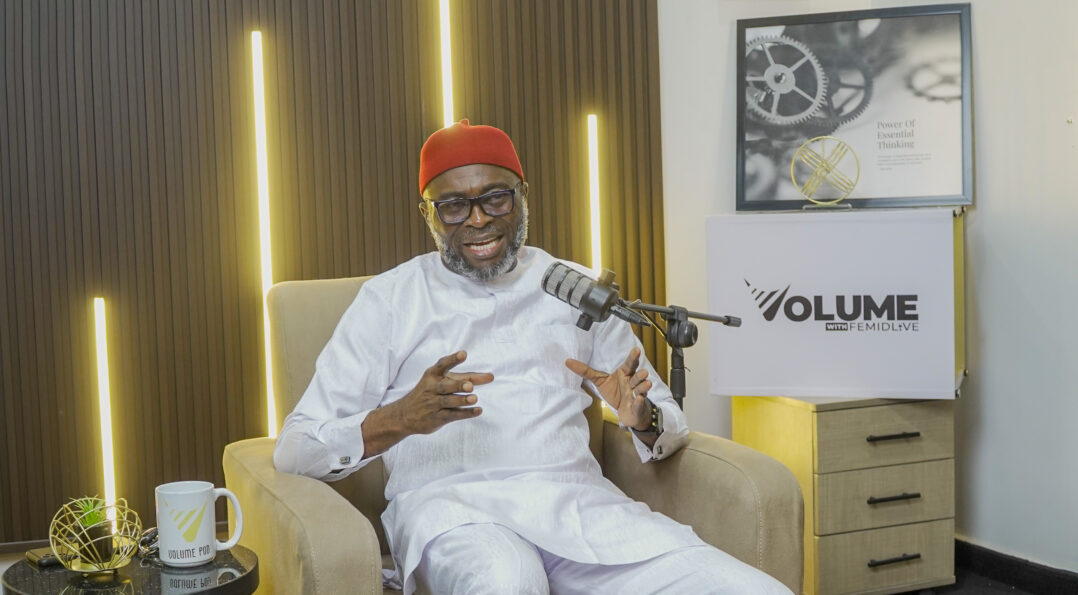
Dr. Chinedu Obi, NRM Chairman and DG IPAC appearing on Volume with FemiDlive

The 2027 Rescue Mission: Why Institutional Reform and Grassroots Ideology Must Outpace “Big Name” Politics in Nigeria

The conversation surrounding Nigeria’s upcoming 2027 electoral cycle is rapidly shifting. For everyday citizens, civil society groups, and political strategists, the focus is moving past standard campaign promises and landing squarely on a critical reality: structural accountability, electoral integrity, and institutional reform are the only real mechanisms that can stabilize the nation. In a recent episode of Volume with FemiDlive, hosted by award-winning broadcaster Femi D. Amele on The Volume Pod, these systemic challenges were pulled apart. Featuring Dr. Chinedu Obi—National Chairman of the National Rescue Movement (NRM) and Director General of the Inter-Party Advisory Council (IPAC)—the discussion provided a transparent, data-driven look at how the country’s multi-party ecosystem functions behind the headlines. Instead of focusing on sensational top-tier Abuja politics, the conversation offered a strategic roadmap for political realignment before 2027. 1. Dismantling the Myth of “Big Parties” vs. “Small Parties” A dominant narrative in Nigerian media is that elections are exclusively a two- or three-horse race between giant political structures. However, as Dr. Obi pointed out, Nigeria currently features a diverse landscape of 22 registered political parties. The perceived strength of a party often depends on its members’ access to public funds rather than structural superiority. [Access to Public Funds] ──> [Media Focus & Bloated Visibility] ──> [Perceived “Big Party” Status] When prominent political figures switch platforms—such as Peter Obi’s historic move to the Labour Party or more recent migrations to the ADC and NNPP—the destination party suddenly experiences a massive spike in public visibility. Real systemic change, however, requires moving away from individual star power and focusing on deep-rooted party ideologies. For alternative platforms like the NRM, the goal is to shift the country from a culture of personality worship to sustainable, process-driven governance. 2. Institutional Strength Over Strongmen: Setting a Leadership Precedent If alternative political movements want to present themselves as viable rescue options for the nation, they must practice internal accountability. A fascinating case study emerged during the interview regarding the internal discipline of political platforms. “When you want to rescue a country, you need to rescue yourself first. It requires a bold step to demonstrate to citizens that leadership must be by example.” When the NRM suspended its own founding chairman due to internal process violations, it set a rare example in Nigerian politics. Rather than shielding an elite founder, the party prioritized institutional rules over individual status. This stands in sharp contrast to the internal power struggles plaguing larger establishments like the Peoples Democratic Party (PDP) and the All Progressives Congress (APC), where personal networks regularly bypass formal rules. For 2027, the primary test for any political party will be its willingness to stick to the rule of law over personal convenience. 3. Electoral Integrity: The Independent Referee Conundrum A central element of the 2027 planning process involves reforming the Independent National Electoral Commission (INEC). Under current constitutional guidelines, the executive branch holds the power to appoint the electoral umpire. This framework introduces a clear structural conflict of interest. To guarantee transparency and protect the voter mandate across all 774 Local Government Areas (LGAs), IPAC’s committee on electoral reforms has pushed for a multi-sectoral approach to appointments. Proposed Reform Component Current System The Multi-Sectoral Alternative Umpire Selection Unilateral executive appointment A collaborative selection committee featuring political parties, judicial bodies, and civil society. Vetting Process Internal political clearance Open, public application screening supported by state security documentation. Oversight Composition Centralized administrative control Balanced civil society representation alongside trusted domestic monitoring groups. Without these institutional adjustments, technological tools like the Bimodal Voter Accreditation System (BVAS) and the INEC Result Viewing Portal (IReV) will continue to face implementation bottlenecks. 4. Shifting Metrics: Measuring the Grassroots Economy While macro-economic figures like GDP growth and reserve allocations look great in policy papers, they often fail to align with the financial realities of ordinary citizens. The true health of the Nigerian economy is felt at the micro-level—through purchasing power, transportation costs, and basic food security. For instance, comparing the utility of a 70,000 Naira minimum wage against previous 30,000 Naira standards reveals a simple truth: if a citizen cannot buy a basic bag of rice or afford daily transport to work, the macro-economic policies are missing their target. True socio-economic recovery requires moving away from top-down rhetoric and focusing on community-level development, budget tracking, and social welfare infrastructure. The Path to 2027 Nigeria’s political future depends heavily on whether the country can transition from a culture of political entitlement to one of clear, measurable accountability. For young voters, policy analysts, and engaged citizens seeking an alternative to standard media narratives, keeping tabs on these foundational shifts is critical. Platforms like The Volume Pod (Volume Pod LLC) continue to serve as essential media hubs, bringing in diverse political voices and civil society leaders to break down complex policy issues and analyze their real-world impact. The coming months will reveal whether alternative parties can successfully build out their local networks and offer a disciplined, rule-of-law-driven alternative to the status quo.

The 2027 Rescue Mission: Why Institutional Reform and Grassroots Ideology Must Outpace “Big Name” Politics in Nigeria Read More »

Crisis of Values: Rethinking Nigeria’s Democracy and Judicial Integrity

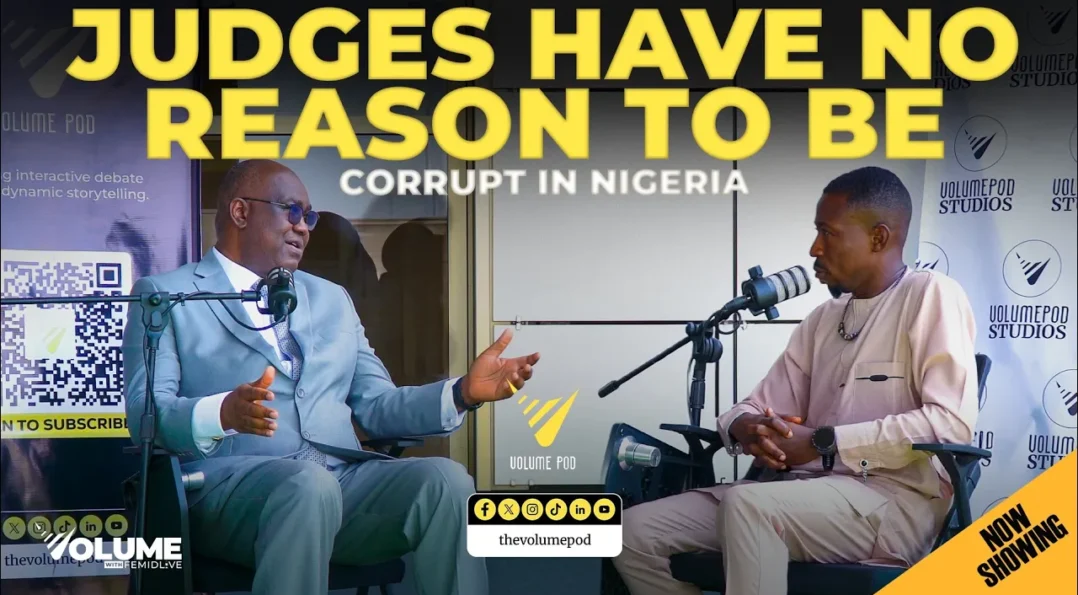
In a compelling dialogue at the National Conference on the Future of Democracy in Nigeria, Honorable Dr. Gbenga Olawepo Hashim provided a sobering assessment of the nation’s current political and judicial landscape. His insights challenge the common narrative that Nigeria’s problems are purely economic, suggesting instead that the country is grappling with a profound “poverty of values” that threatens the very foundation of its democratic institutions. The Problem with Institutional Recruitment Dr. Hashim highlighted a critical flaw in the formation of the Independent National Electoral Commission (INEC). While some recommendations for independence—such as funding via a first-line charge—were accepted during the transition from military rule, the method of recruiting leadership remains a point of contention. He argues that the current system allows the executive to maintain too much control by appointing “dodgy” individuals who are easily manipulated. “When you have a transparent process of recruitment and the person that is being appointed is subjected to public debate, he will hold his loyalty to society rather than to few people who appoint him in government.” [04:46] Material Poverty vs. Poverty of Values One of the most striking parts of the discussion centered on the phenomenon of vote-buying. While many attribute this to the economic hardship facing Nigerians, Dr. Hashim drew a historical parallel to the 1950s to illustrate that integrity is not dictated by wealth. He noted that even when Nigerians were materially poorer, they held their political leaders to higher standards. “It’s not a question of material poverty; it’s about poverty in values. We have to go back and strengthen our value system because it is these intangible things—values, culture—that build society.” [06:01] He further emphasized this point by contrasting the past and present: “In the 50s, if you give them a bag of rice, they will not vote for you. They will still vote for their trusted political leaders. But Nigerians today, some of them who eat rice every day, if you give them a cup of rice, they are ready to vote for you.” [05:51] The Independence of the Judiciary The conversation also turned to the judiciary, an institution often seen as the last hope for the common man. Dr. Hashim expressed concern that while judges are now better compensated than ever before, their independence seems more compromised than it was even under military dictatorship. He suggests that financial corruption has achieved what brute force could not. “What military dictatorship could not do, money corruption is doing now. Judges are now more paid than they have ever been paid… they have no reason not to stand for justice and equity.” [07:21] Looking Toward 2027 As Nigeria looks toward the 2027 elections, the fear of widespread vote-buying looms large. However, Dr. Hashim offered a glimmer of hope, suggesting that collective will can override financial manipulation. He believes that if the majority of the population is truly committed to change, the sheer volume of voters will make individual bribes inconsequential. “There will be vote buying, but it’s not going to be consequential if majority of people are ready really to vote for change. You can’t buy millions of people when they are out to really vote.” [06:34] Ultimately, Dr. Hashim’s message is a call to action for all Nigerians to reclaim their cultural and moral values. Without a foundation of integrity, material achievements and institutional structures will continue to crumble under the weight of corruption. Watch the full interview here: https://youtu.be/Csh7n_qacKE

Crisis of Values: Rethinking Nigeria’s Democracy and Judicial Integrity Read More »

No One will Vote for Tinubu in 2027 Elections if…

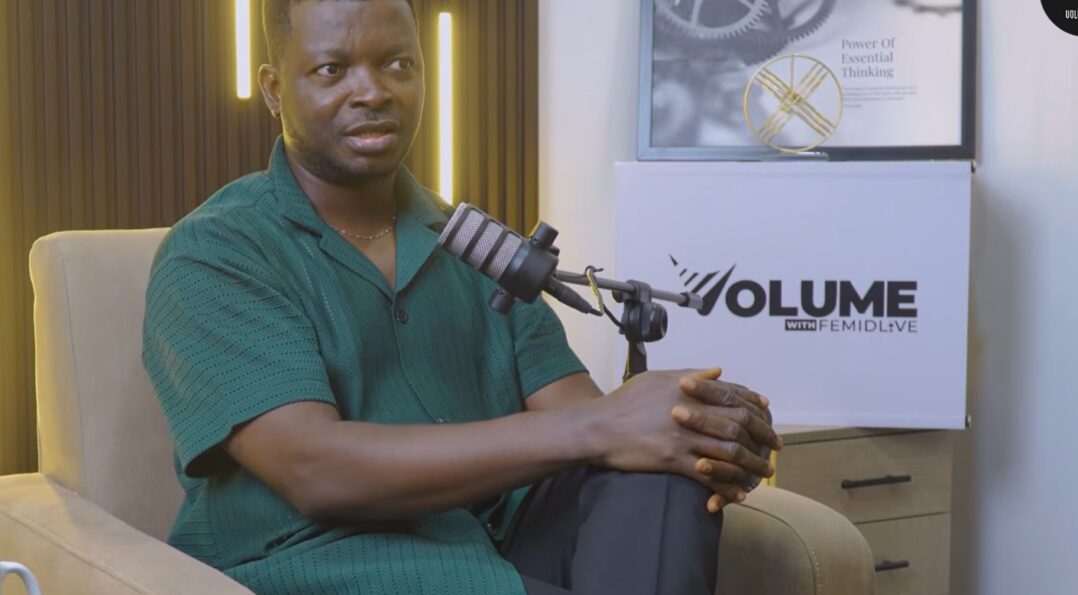
In a recent hard-hitting interview on Volume with FemiDlive, political activist and commentator Henry Shield delivered a blistering critique of the current Nigerian administration under President Bola Tinubu. The conversation, titled “No One will Vote for Tinubu in 2027 Elections if…”, paints a grim picture of a nation grappling with economic hardship, a perceived decline in democratic values, and a fragmented opposition. The “Emperor” and the Vanishing Rule of Law Shield did not mince words when describing the current state of governance, suggesting that Nigeria is drifting away from democratic ideals toward what he termed an “imperial” style of leadership. He cited recent incidents involving the harassment of journalists and citizens at court premises as evidence of a “non-existent” rule of law. “You are calling him president; I see him as an emperor—His Royal Majesty King Tinubu.” [31:28] The Economic Toll on the Common Citizen The heart of Shield’s grievance lies in the skyrocketing cost of living. He pointed to the dramatic leap in fuel prices—from approximately 145 Naira to 1,000 Naira—as a “shock” that no citizenry should be expected to absorb without significant government accountability. He criticized the government’s focus on paper indices and “theory” while the average Nigerian struggles to afford basic necessities like rice, which has surged toward the 100,000 Naira mark. “The only indices that count in the economy of any nation, the only factor that matters, is the improvement in the lives of the people. Any other thing is paper discussion.” [10:14] A Call for Opposition Sacrifice Looking toward the 2027 elections, Shield expressed deep frustration with the current opposition leaders, including Atiku Abubakar and Peter Obi. He argued that their personal ambitions are currently standing in the way of a unified front that could challenge the APC. Shield, who campaigned vigorously for the Atiku-Obi ticket in 2019, lamented their split in 2023 and urged them to prioritize the “larger good” over individual goals. “There is no ambition that is big enough for you, or that is bigger than the interest of the country… they first of all need to save Nigeria from the APC.” [14:42] The Burden of Taxation and Transparency The activist also took aim at proposed new tax policies, arguing that the government has yet to prove it can be a responsible steward of existing resources. He highlighted the lack of transparency in high-profile expenditures, such as the presidential jet and yacht, as reasons why citizens are hesitant to give more. “Taxing is not the first thing. First thing is system… A system that makes it impossible for you to take my money because it’s my tax.” [28:03] The “Defeated” Citizenry Perhaps the most poignant part of the interview was Shield’s reflection on the state of Nigerian activism. He expressed a sense of fatigue, noting that while he is willing to stand his ground, he often finds himself part of a very small group actually willing to “hit the streets.” “I have actually decided to just slow down because I am yet to find Nigerians who reason like citizens. What I see are people who now reason like defeated and conquered citizens.” [06:08] Conclusion Henry Shield’s message is a clarion call for both the leadership and the populace. For the government, it is a warning that economic “baby steps” are resulting in giant leaps of pain for the poor. For the opposition, it is a demand for unity. And for the citizens, it is an invitation to reclaim their voice in a democracy that Shield fears is quickly slipping away. Watch the full interview here: https://youtu.be/C9a5AgX1jx8

No One will Vote for Tinubu in 2027 Elections if… Read More »

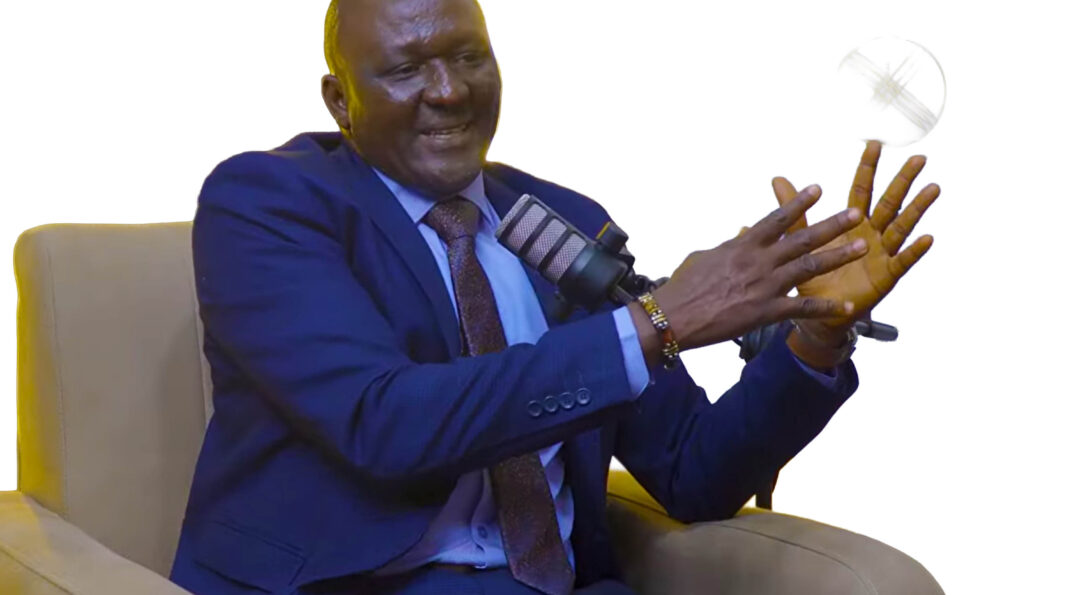
Dr Umar Yakubu on Volume with FemiDlive

“Nigerian Opposition Figure Slams Tinubu Leadership as ‘Disgraceful’”

For decades, the relationship between the Nigerian state and its citizens has been defined by a precarious silence: the government provides little, and the people expect even less. But that silence is being shattered by a sweeping new tax reform that critics warn could turn a standard fiscal tool into a “weapon of oppression” in a nation already reeling from record inflation and a crumbling social contract. In a blistering assessment of the country’s economic direction, Dr. Umar Yakubu, Executive Director of the Center for Fiscal Transparency and Public Integrity, says the government’s push for increased tax revenue is fundamentally flawed because it ignores the reality of life for the average Nigerian. “Taxation is a tool of oppression when there is no service,” Yakubu said during an interview on Volume with FemiDlive. “If I provide my own security, my own water, my own electricity, and you still come to ask me for tax, what are you taxing? You are taxing my survival”. A Social Contract in Tatters The debate centers on a series of tax bills currently moving through Nigeria’s National Assembly, championed by a reform committee led by Taiwo Oyedele. While the administration of President Bola Tinubu argues these reforms are necessary to move Nigeria away from its “petrodollar” addiction and toward a sustainable revenue base, Yakubu argues the timing and the target are wrong. He points to a massive “trust deficit” between the governed and the governors. In developed economies like the United Kingdom or Scandinavian nations, Yakubu notes, citizens see their taxes reflected in the National Health Service or public infrastructure. In Nigeria, those services are largely non-existent for the poor, who are now being asked to pay more while the political elite maintain lavish lifestyles. “We have a situation where 0.1% of the population controls the wealth, yet they are the ones who pay the least in taxes through various exemptions and waivers,” Yakubu said. Meanwhile, the burden of consumption taxes like VAT falls disproportionately on the millions of Nigerians living below the poverty line. The ‘Missing’ Billions The most controversial aspect of Yakubu’s critique involves the 63 Government-Owned Enterprises (GOEs)—agencies like the Nigerian National Petroleum Company (NNPC) and the Federal Inland Revenue Service (FIRS) that generate trillions of naira in revenue. Yakubu argues that before the government looks to the pockets of the poor, it must first address the “black hole” within these agencies. He claims that many of these institutions operate with zero transparency, keeping a vast majority of the funds they generate for “administrative costs” and “personnel expenses” that are never fully audited. “Why are we putting pressure on a man selling tomatoes in the market when you have 63 institutions that generate billions and nobody knows exactly how that money is spent?” Yakubu asked. He suggested that if the government simply enforced efficiency and transparency in these 63 agencies, the need for aggressive new taxes on the public would vanish. The Efficiency Crisis The government’s reform efforts have been described as an attempt to “broaden the tax base.” However, Yakubu warns that without a corresponding increase in government efficiency, more revenue will simply lead to more waste. He cited the removal of the fuel subsidy in 2023 as a prime example. The move saved the government trillions of naira, yet for the average Nigerian, the only result has been a 300% increase in transportation costs and a surge in food prices. “The people were told to make sacrifices, but where is the evidence of that sacrifice in the government’s own spending?” Yakubu said. The strategist argues that Nigeria is currently “over-governed and under-served.” He notes that the cost of maintaining the National Assembly and the various layers of the federal bureaucracy consumes a staggering percentage of the national budget, leaving little for the actual development of the people. A Warning for 2027 As Nigeria moves toward the next election cycle in 2027, the tax issue is becoming a political lightning rod. Critics argue that the government is using tax reforms as a way to satisfy international lenders like the IMF and World Bank, rather than focusing on the needs of the domestic population. Yakubu’s warning is clear: a government that taxes its people without providing security or basic services is a government in peril. “The day the Nigerian people realize that they are paying for a government that gives them nothing in return is the day the social contract officially expires,” he said. For now, as the tax bills navigate the legislative process, millions of Nigerians are left watching the cost of living rise, wondering if their meager earnings are the next target for a state that many feel has already taken enough. Watch the full interview: https://youtu.be/-4mbQb7HLj4

“Nigerian Opposition Figure Slams Tinubu Leadership as ‘Disgraceful’” Read More »